Submission Intake
The commercial submission-to-bind funnel — extraction, NIGO chase, referral, quote, bind.
A commercial-lines intake funnel. A submission is extracted (by an AI agent or manually), reviewed for good order, and chased back to the broker when not-in-good-order — a multi-round NIGO loop. Once clean it escalates to a capacity-capped underwriter, gets rated against a line-of-business premium base, and is quoted, then bound, declined or lost. Appetite gates entry: a cyber risk is far likelier to fall out of appetite than property.
Models the real friction of underwriting: incomplete submissions, referral capacity and appetite. The NIGO chase and backpressured referral queue make cycle time emergent rather than assumed, so you can study where submissions stall and what automation in extraction would buy.
Linked tables with guaranteed referential integrity.
Generated REST endpoints. Also exposed as MCP tools.
OSI-compatible definition, emitted with the dataset.
# submission-intake.osi.yaml — emitted automatically
semantic_model:
  name: "submission-intake"
  source: "duckdb://submission-intake.db"
  entities:
    - name: submission
      primary_key: id
  dimensions:
    - name: state
      type: categorical
    - name: t
      type: time
  measures:
    - name: row_count
      agg: count
    - name: active
      agg: sum
      filter: "state = 'ACTIVE'"
More worlds.
 ▶ REPLAY
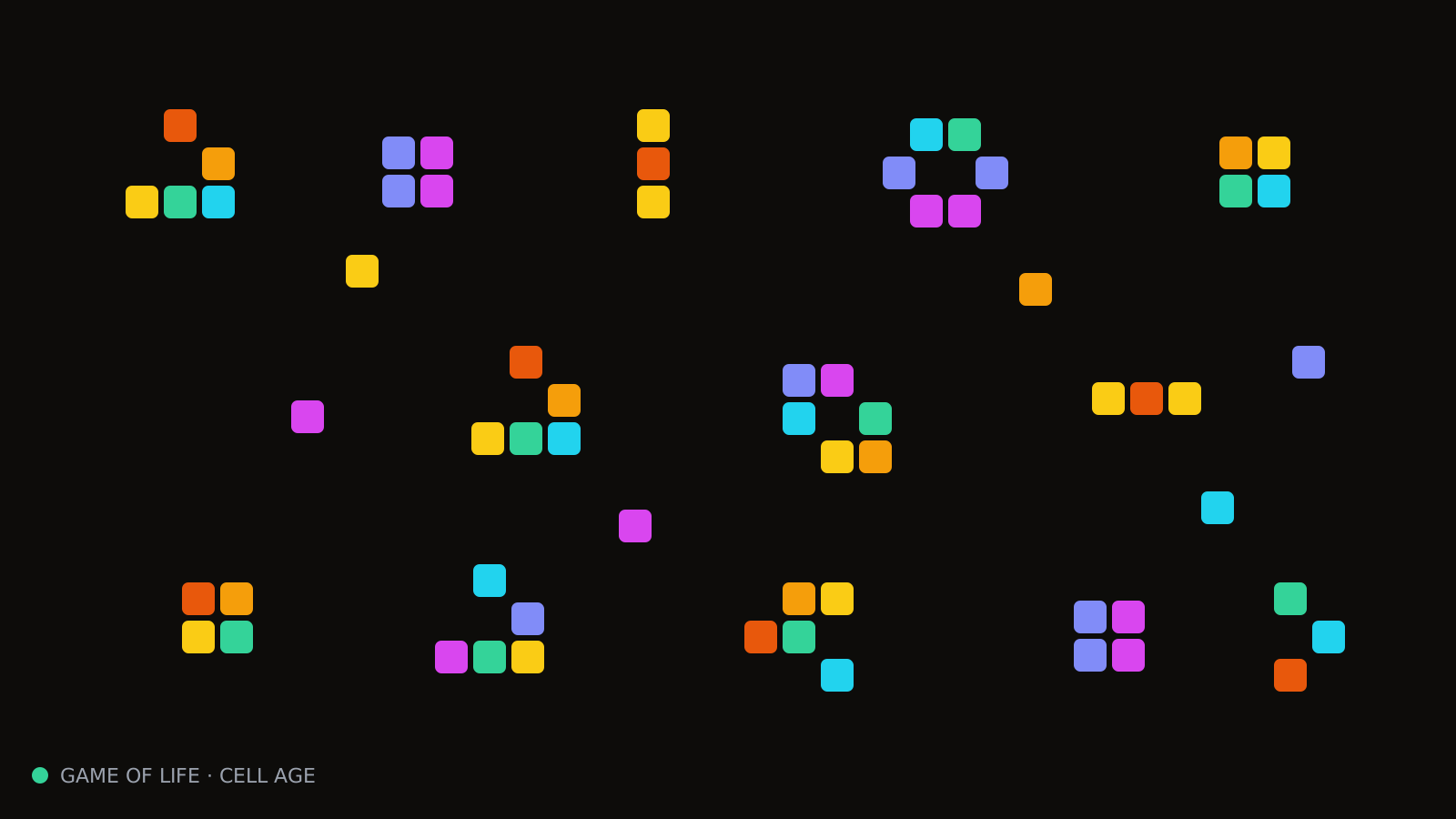
 Game of Life
Conway's automaton as a perfectly observable, deterministic grid world.
 ▶ REPLAY
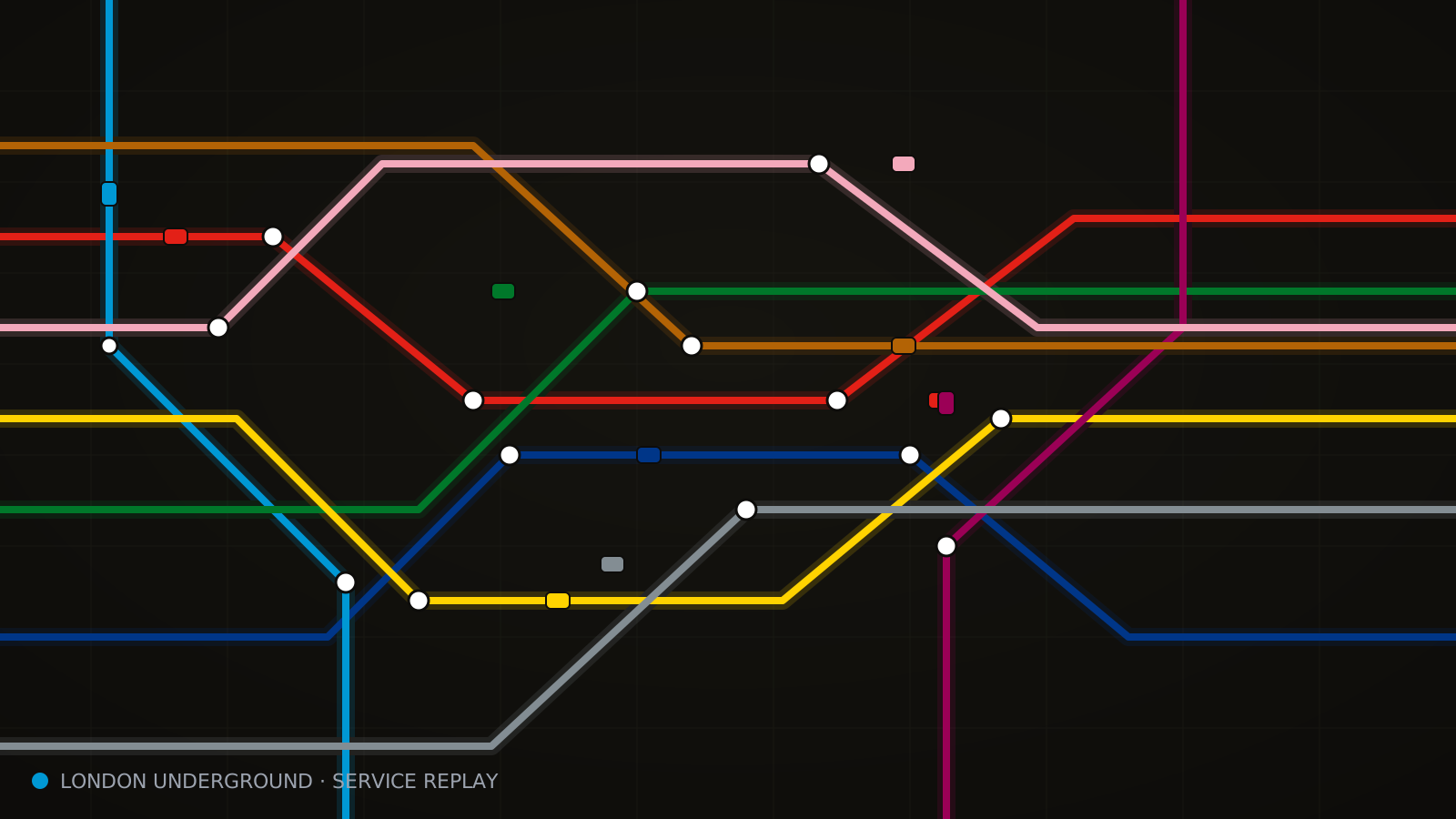
 London Underground
A live tube graph — eleven lines, hundreds of trains, platforms held as a mutex.
 ▶ REPLAY
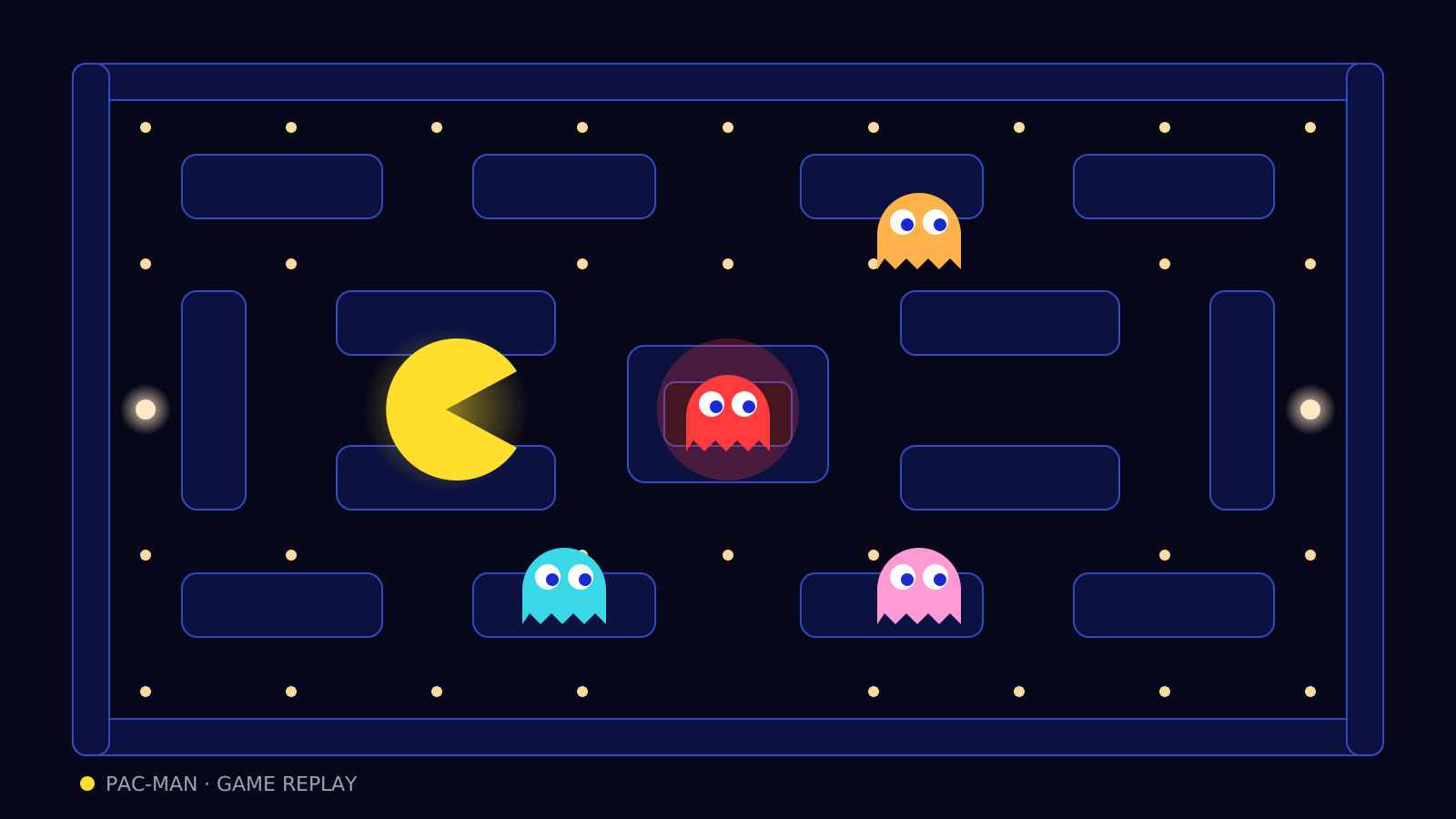
 Pac-Man
A self-playing arcade game — ghosts chase a flood-filled distance field.