Single Data Table
One passive Person table that shows off the faker data generators.
A pure data-generation scenario. A single Person machine sits in one absorbing state and never moves; the work all happens once, when each row is created. Every field uses func: faker — 33 string dimensions (names, contact, address, employment, internet, finance, and pattern templates) and 8 numeric measures (bounded number draws plus latitude/longitude). With no seed file, the spawn.seed count drives the engine to generate each row from its templates, so one turn produces the full, final table.
The canonical reference for the faker strategy: it shows which gofakeit generators render as a string dimension versus a numeric measure, and how templates compose — single tokens, multi-token templates, generator arguments, and the digit/letter fill-character patterns. It is also the quickest path to a realistic flat table of people for seeding demos, fixtures, or load-testing a downstream pipeline.
Linked tables with guaranteed referential integrity.
Generated REST endpoints. Also exposed as MCP tools.
OSI-compatible definition, emitted with the dataset.
# single-data-table.osi.yaml — emitted automatically
semantic_model:
  name: "single-data-table"
  source: "duckdb://single-data-table.db"
  entities:
    - name: person
      primary_key: id
  dimensions:
    - name: state
      type: categorical
    - name: t
      type: time
  measures:
    - name: row_count
      agg: count
    - name: active
      agg: sum
      filter: "state = 'ACTIVE'"
More worlds.
 ▶ REPLAY
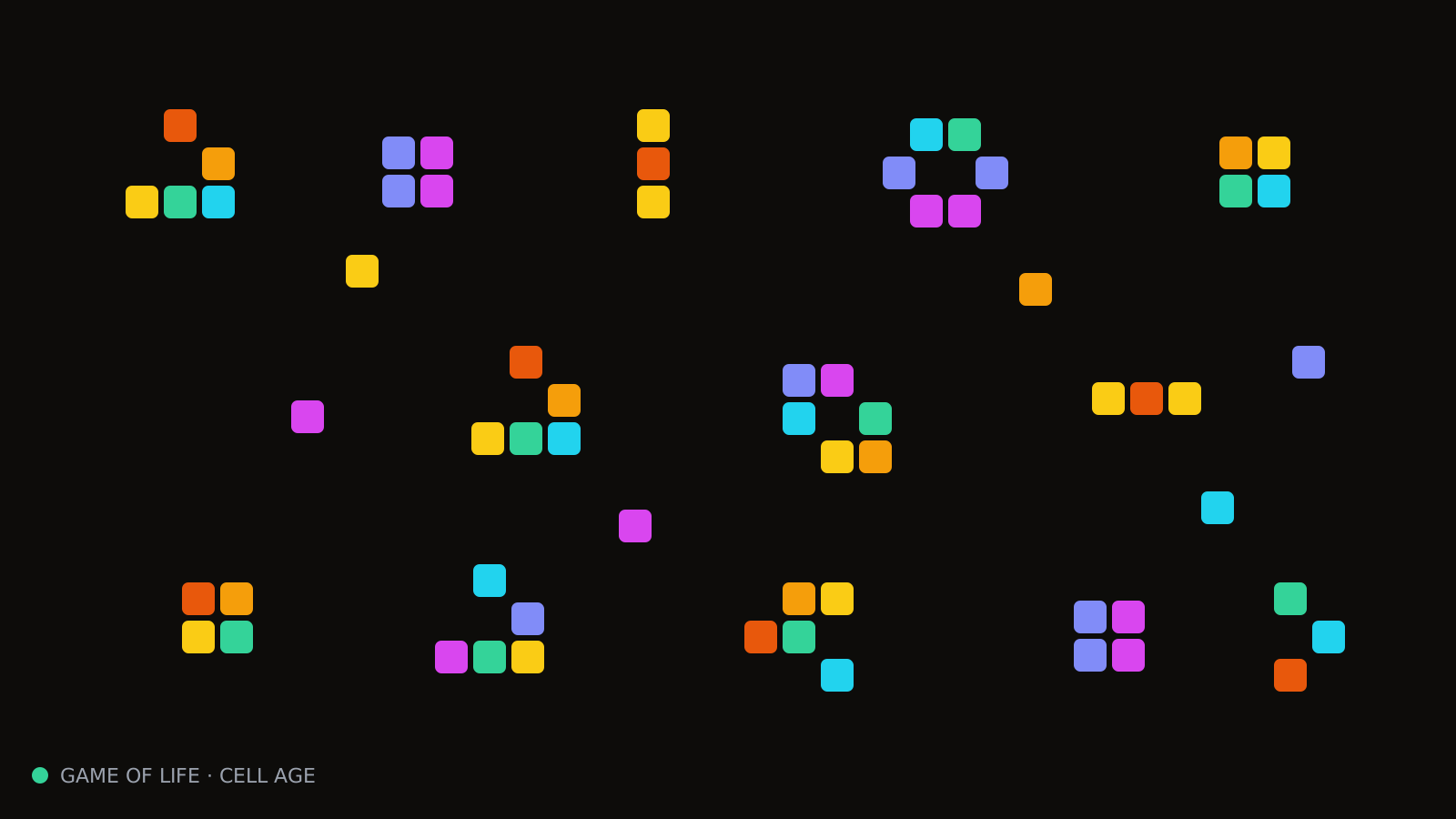
 Game of Life
Conway's automaton as a perfectly observable, deterministic grid world.
 ▶ REPLAY
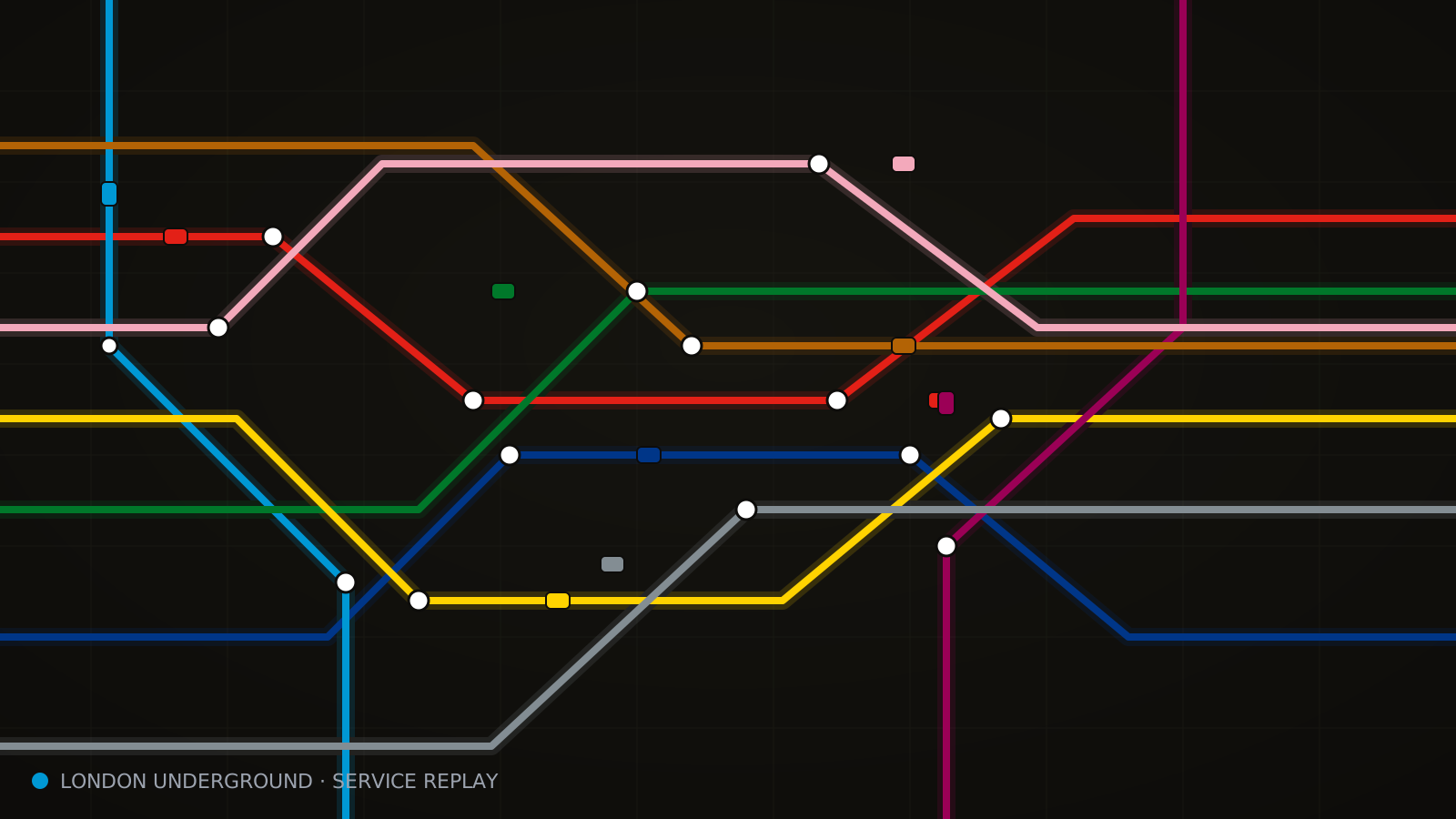
 London Underground
A live tube graph — eleven lines, hundreds of trains, platforms held as a mutex.
 ▶ REPLAY
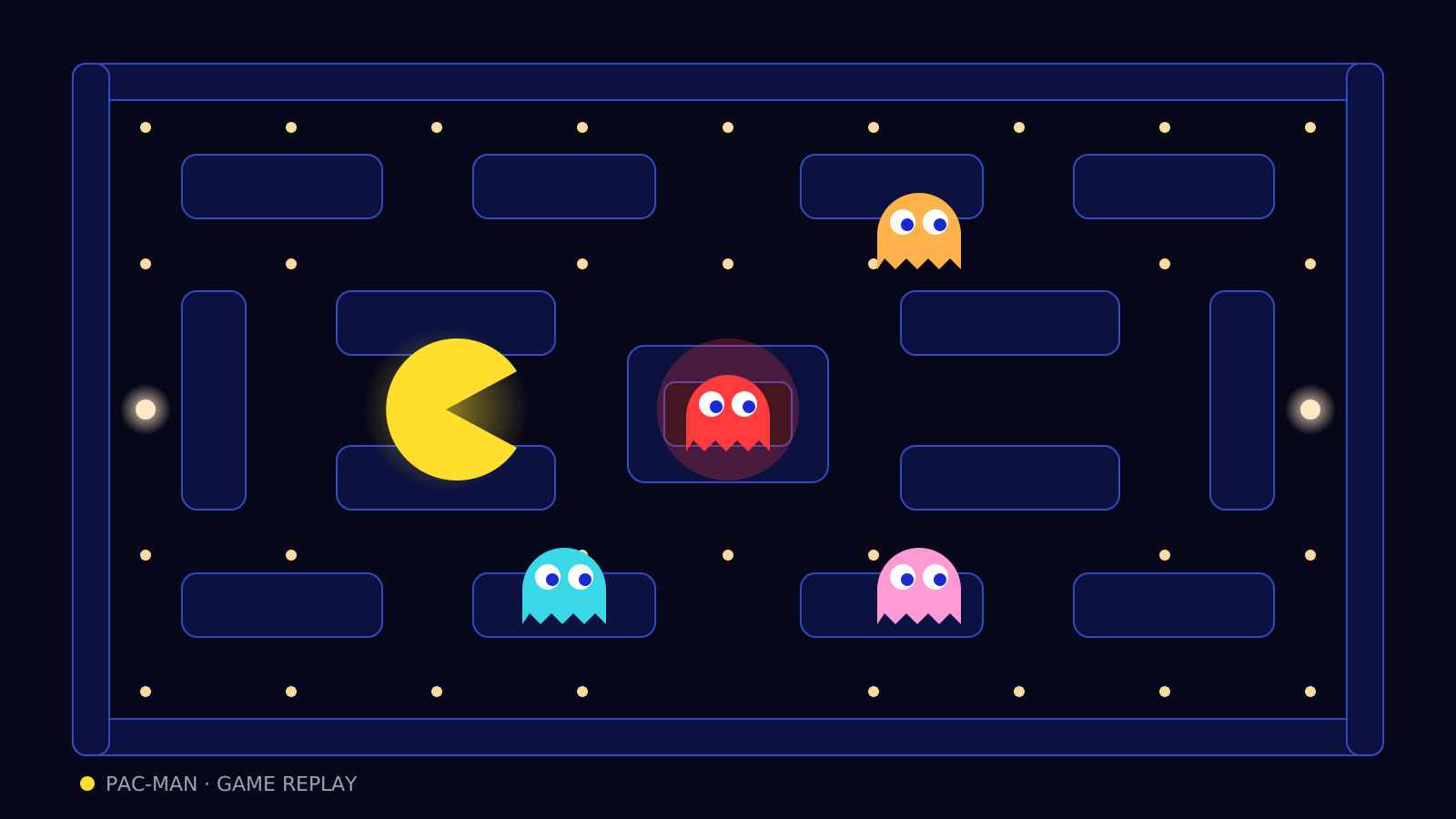
 Pac-Man
A self-playing arcade game — ghosts chase a flood-filled distance field.